

Website security and backup in Kottayam you can rely on
A hacked or lost website damages trust and search rankings. We secure your website, back it up properly and help you recover quickly if something goes wrong.
Protecting your website
Website security covers the measures that protect a website from unauthorised access, malware, spam and data loss, while backups ensure the site can be restored after a failure or attack. Most attacks on small business websites are automated and target known vulnerabilities in outdated software or weak passwords.
This service is delivered by our digital marketing agency in Kottayam team in Ettumanoor.
What we do
- Security audit and hardening
- Web application firewall setup
- Login protection and two-factor authentication
- Malware scanning and removal
- Spam protection for forms
- Automated off-site backups
- Restore testing
- SSL configuration
- User access review
- Google blacklist and Search Console security issue resolution
The most common website security threats for small businesses
Most attacks on business websites in Kerala are not personal. They are automated bots scanning thousands of sites a day for easy openings. Understanding what they look for is the first step in good website security.
Outdated plugins and themes
The majority of hacked WordPress sites we clean up were running a plugin or theme with a publicly known vulnerability. Once a flaw is published, bots start testing for it within hours.
Weak or shared passwords
Brute-force bots try common passwords against login pages around the clock. Shared logins, old staff accounts and passwords reused from other services make their job easy.
Nulled or pirated themes
‘Free’ copies of premium themes and plugins often contain hidden backdoors. They are one of the most common sources of spam links and redirects we find.
Insecure hosting
Cheap shared hosting with outdated PHP, no isolation between accounts and no server firewall exposes every site on the server.
Form and comment spam
Unprotected forms are abused to send spam, fill your inbox with junk or test stolen card details on online stores.
The good news is that each of these risks can be reduced dramatically with sensible website security practices and routine care.
Website security measures and what each one protects
No single tool makes a website secure. We combine several layers so that if one fails, the others still protect your business.
| Measure | What it does | Protects against |
|---|---|---|
| Regular updates | Applies security patches to WordPress core, themes and plugins | Known vulnerabilities used by automated bots |
| Web application firewall | Filters malicious traffic before it reaches your site | Exploit attempts, bad bots and some DDoS traffic |
| Login protection | Strong passwords, two-factor authentication and attempt limits | Brute-force attacks and stolen passwords |
| Malware scanning | Checks files and the database for injected code | Hidden backdoors, spam links and redirects |
| SSL and security headers | Encrypts traffic and tells browsers how to handle your content | Data interception and some cross-site attacks |
| Off-site backups | Keeps restorable copies away from your server | Ransomware, server failure and serious hacks |
| User and access review | Removes old accounts and limits admin rights | Insider mistakes and forgotten logins |
Website security reduces risk; no provider can honestly promise that a site will never be attacked. What matters is how quickly a problem is detected and fixed.
Website backups done properly
A backup is only useful if it can be restored quickly. Many owners discover too late that their backup was incomplete, years old or stored on the same server that failed. Our approach to backups follows a few simple rules.
- Automatic and frequent. Most business sites are backed up daily. Busy online stores can be backed up more often, including the database of orders.
- Off-site. Copies are stored away from your hosting server, so a server problem does not take the backups with it.
- Retained for long enough. We keep a history of backups, because some infections go unnoticed for weeks and you need a clean copy from before they started.
- Tested. We periodically restore a backup to a staging site to confirm that it works.
- Owned by you. You can request a full copy of your website and database at any time.
Backups are the safety net behind every other website security measure. When something does go wrong, they turn a crisis into an inconvenience.
What happens if your website is hacked
If your website shows strange redirects, spam pages in Google, a browser warning, or your host suspends the account, act quickly. Our response follows a clear sequence.
- Contain. We take a snapshot of the infected site for investigation, change all passwords and, if needed, put up a temporary maintenance page.
- Find the cause. We look for the entry point, such as a vulnerable plugin, a stolen password or an infected neighbour on shared hosting. Cleaning without fixing the cause usually leads to reinfection.
- Clean. Malicious files, database injections, spam pages and rogue admin users are removed, or the site is restored from a clean backup where that is safer.
- Harden. We apply updates, add a firewall, tighten file permissions and enable login protection.
- Recover your reputation. If Google has flagged the site, we request a review in Search Console and remove spam URLs from the index. If email was abused, we check your domain’s sending reputation.
- Report. You receive a plain-language summary of what happened and what has been done to prevent it.
After cleaning, we strongly recommend ongoing website security monitoring so the problem does not return.
Website security for WooCommerce and customer data
Online stores carry extra responsibility because they handle customer names, addresses, phone numbers and order histories. Payment card details should never be stored on your website; reputable Indian payment gateways such as Razorpay, PayU and CCAvenue process payments on their own secure systems. Even so, the store itself must be protected.
For WooCommerce sites, our website security work also covers checkout and account pages, fraud and card-testing protection on payment forms, limiting who can view customer data in the dashboard, and keeping order data out of public backups. We also make sure your privacy policy reflects the data you actually collect, which matters under India’s Digital Personal Data Protection Act.
If you sell to customers in the UK, Europe or the Gulf, we can advise on additional requirements such as cookie consent and data handling expectations in those markets.
Simple website security habits for your team
Technology handles much of the protection, but people still matter. These habits make a real difference to website security, and we help clients put them in place.
- Give every person their own login, with the lowest level of access they need to do their job.
- Turn on two-factor authentication for WordPress administrators, hosting and the domain registrar.
- Never share passwords over WhatsApp or email; use a password manager instead.
- Remove accounts as soon as staff, freelancers or agencies stop working with you.
- Only install plugins and themes from trusted sources, and never use pirated copies.
- Tell your website partner immediately if you notice anything unusual, such as unexpected emails from the site or new admin users.
These steps cost nothing and close many of the gaps that automated attacks rely on.
Why choose LA DIGITS for website security in Kottayam
Website security is easiest when it is part of how a site is built and maintained, not an afterthought. Our developers in Kottayam build, host and look after websites for businesses across Kerala and in other countries, so we see the same threats every day and know how to prevent them.
When you work with us, you get a named team, clear monthly reporting, fast response if something goes wrong and honest advice about what is worth spending on. We work on sites we built and on sites built by others, starting with a free security check that shows where you stand today. Combine it with our website maintenance plan and your updates, backups, monitoring and website security are all handled by one accountable team.
Signs your website security needs attention
Some problems are obvious, like a defaced home page. Others are quiet and can go on for months. Contact a professional if you notice any of the following:
- Google search results for your business show pages in other languages, pharmacy or gambling keywords, or titles you never wrote.
- Visitors on mobile are redirected to other websites, while the site looks normal on your own computer.
- Chrome or another browser displays a ‘Deceptive site ahead’ or ‘This site may harm your computer’ warning.
- Your hosting company emails you about malware, high resource usage or outgoing spam.
- New administrator users appear in WordPress that nobody on your team created.
- Your website suddenly becomes very slow, or your contact form starts sending spam to your inbox.
- Customers mention strange emails that appear to come from your domain.
Each of these can indicate a compromise. The sooner it is investigated, the less damage there is to your rankings, your reputation and your customers’ trust.
Website security and your Google rankings
Security problems are also search problems. When Google detects malware, phishing or hacked spam content, it can show warnings in search results, drop affected pages from the index or issue a manual action in Search Console. Recovering from this takes time, even after the site is cleaned.
Spam pages created by hackers can also dilute your site’s relevance, waste crawl budget and attract low-quality links. That is why our website security service works closely with our technical SEO team. After any incident, we check Search Console, remove spam URLs, review backlinks and request reconsideration where needed.
Prevention is far cheaper than recovery. A secure, well-maintained website protects the rankings and reviews you have worked hard to earn, and keeps customers confident when they share their details with you.
Website security for clients outside Kerala
Many of our website security clients are based in Kottayam, but we also protect websites for businesses in the UK, USA, Canada, Australia, New Zealand and the Gulf. Monitoring and updates are handled remotely, so location makes no difference to the level of care. We schedule maintenance windows around your time zone, report in English and keep the same pricing for clients in every country. If you are an Indian business serving overseas customers, we can also help you choose hosting and a content delivery network that keeps your site both fast and secure for visitors abroad.
Related services
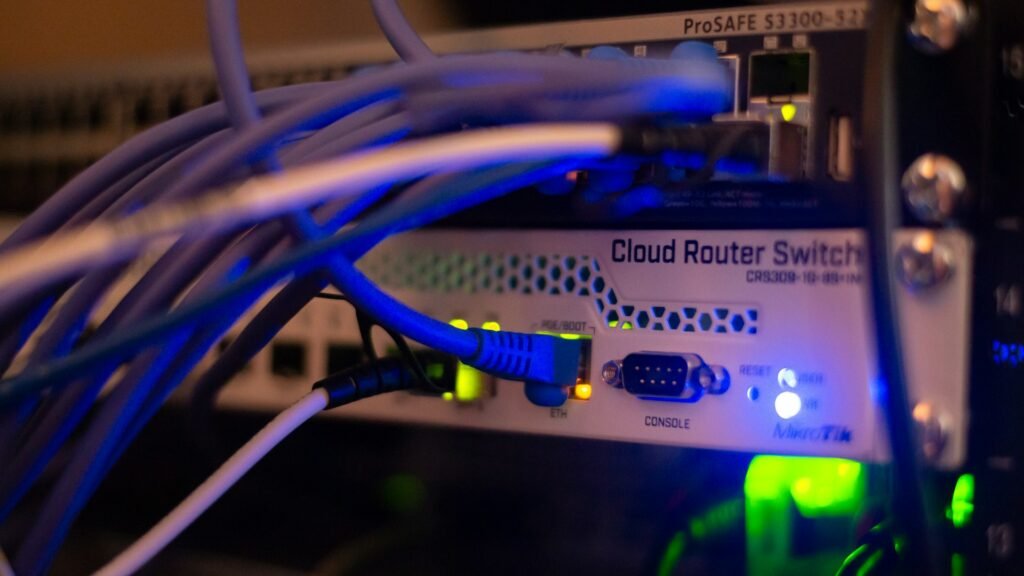
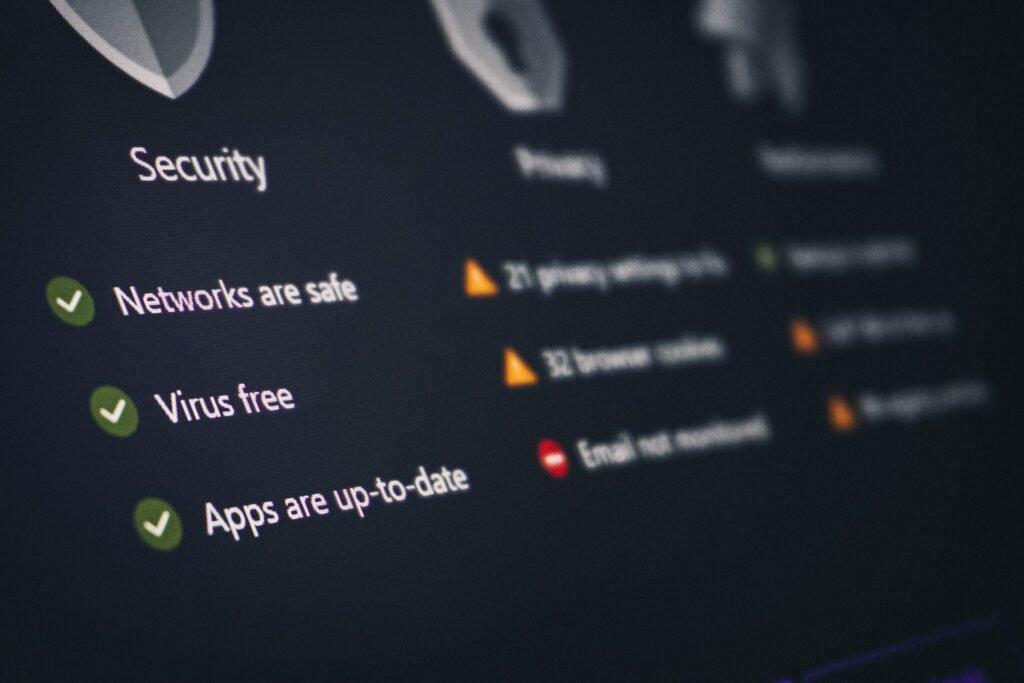
Website Security and Backup at LA DIGITS: how the work happens
A look at how our team in Kottayam plans, builds, checks and reports on website Security and Backup for local businesses across Kerala.


Website Security and Backup in Kottayam: frequently asked questions
30 answers from our team. Still have a question? Talk to us or message us on WhatsApp. Consultation is always free.
My website was hacked. What should I do?
Change all passwords, contact your host and contact us. We will clean the site, close the vulnerability, restore clean files and request removal of any Google warnings.
Where are backups stored?
Backups should be stored off-site, separate from your hosting server, so they remain available if the server fails.
Is SSL enough to make my site secure?
No. SSL encrypts data in transit but does not protect against vulnerable plugins, weak passwords or malware.
How often should security scans run?
Continuously or daily for most sites, with alerts for suspicious changes.
Do you provide website security for clients outside India?
Yes. We provide website security for clients in the UK, USA, Canada, Australia, New Zealand, UAE, Qatar, Saudi Arabia and Oman, as well as all over India, with the same pricing for every country.
How do websites get hacked?
Usually through outdated plugins or themes, weak passwords, insecure hosting or vulnerable custom code.
What is a web application firewall?
A filter that blocks malicious traffic before it reaches your website.
What is two-factor authentication?
An extra login step, such as a code from an app, that protects admin accounts.
How often should I back up my website?
Daily for stores and active sites, weekly for others, with off-site storage.
How do I know if my site is hacked?
Signs include unknown redirects, spam pages, Google warnings, unfamiliar admin users or sudden slowdowns.
Can you remove a Google malware warning?
Yes, after cleaning the site we request a review through Search Console.
Is SSL enough for security?
No. SSL encrypts traffic but does not protect against vulnerabilities or weak passwords.
Do you test backups?
Yes, periodic restore tests confirm backups work.
Can you secure e-commerce stores?
Yes, with extra measures for payments and customer data.
What is brute-force protection?
Limiting repeated login attempts to stop password-guessing attacks.
Do you check user accounts?
Yes, removing unused accounts and limiting admin access.
How much does website security cost?
It depends on site size and needs; consultation is free.
How quickly can you clean a hacked site?
Often within one to two working days depending on severity.
Is consultation free?
Yes.
How many sites do you protect?
Security is part of maintenance for many of our 600+ active clients.
Do you provide security reports?
Yes, summarizing scans, updates and incidents.
Can you secure non-WordPress sites?
Yes, depending on the platform and access.
What is a disaster recovery plan?
A documented process to restore your website quickly after failure or attack.
Does security affect SEO?
Yes. Hacked sites can lose rankings and show warnings in search results.
How do I start?
Request a security check through our quotation form.
Do you monitor file changes?
Yes, alerts flag unexpected file modifications.
Can you protect forms from spam?
Yes, with anti-spam tools.
Do you secure hosting settings?
We review and recommend secure server configurations.
Can you restore my site from a backup?
Yes, quickly restoring files and database to a clean state.
Do you update PHP versions?
Yes, we coordinate PHP updates with your host for security and performance.
Secure your website today
Get a free basic security check.