

Ecommerce SEO in Kottayam that grows organic sales
Ecommerce SEO is different from SEO for a brochure website. Online stores face thousands of similar pages, filters, out-of-stock products and strong marketplace competition. We optimize your store to win valuable product and category searches.
What is e-commerce SEO?
E-commerce SEO is the optimization of online stores so that category pages, product pages and supporting content rank for searches made by people ready to buy. It combines technical work on site structure and crawl control with on-page optimization of categories and products, product structured data and content that helps shoppers decide.
Category pages usually drive the most organic revenue because they match broader commercial searches such as “cotton sarees online” or “stainless steel cookware”.
This service is delivered by our local digital marketing agency in Kottayam team in Ettumanoor.
What we optimize
- Category and product keyword mapping
- Category page content and structure
- Unique product titles and descriptions
- Product, offer and review schema
- Faceted navigation and filter handling
- Duplicate and variant page management
- Out-of-stock and discontinued product strategy
- Image optimization for products
- Internal linking between categories and products
- Google Merchant Center and free listings support
- Site speed for large catalogues
- Buying guides and comparison content
Why ecommerce SEO is different
A typical business website might have twenty or thirty pages. An online store can have thousands: categories, subcategories, filtered views, products, variants, brand pages and search results. Each one is a potential ranking opportunity and a potential technical problem. Ecommerce SEO is about making the right pages easy to find and rank, while keeping duplicate and low-value pages out of the way.
Stores also compete with marketplaces such as Amazon and Flipkart, which have enormous authority. Independent stores win by being more specific, more helpful and more trustworthy for particular products, categories and audiences. Strong ecommerce SEO focuses on those opportunities rather than trying to outrank marketplaces on generic terms.
Ecommerce SEO priorities by page type
Different page types play different roles in ecommerce SEO. This is where we focus on each.
| Page type | Role in search | What we optimise |
|---|---|---|
| Category pages | Usually the strongest ranking pages for commercial searches | Unique introductions, logical filters, internal links, titles and headings |
| Product pages | Rank for specific product, model and long-tail searches | Original descriptions, specifications, reviews, product schema, images |
| Filtered and sorted views | Can create thousands of duplicate URLs | Canonical tags, noindex rules and controlled crawlable filters |
| Brand pages | Capture searches for brands you stock | Brand descriptions, product selection and internal links |
| Buying guides and blog posts | Attract research-stage visitors and links | Helpful content linked to relevant categories and products |
| Out-of-stock and discontinued products | Can waste authority or frustrate visitors | Clear stock messages, alternatives and appropriate redirects |
Category pages: the heart of ecommerce SEO
Category pages often target the most valuable searches, such as ‘Kerala sarees online’, ‘Ayurvedic hair oil’ or ‘wooden furniture Kottayam’. Yet many stores show only a grid of products with no text, making it hard for search engines to understand the page.
We add a short, genuinely helpful introduction to key categories, covering what the range includes, how to choose and what makes your selection different, without pushing products below the fold. We optimise titles and headings, improve internal links from the home page, menus and related categories, and make sure subcategories are structured logically. For many stores, this is the single most effective ecommerce SEO improvement.
Product pages that rank and sell
Manufacturer descriptions are copied across hundreds of sites, so Google has little reason to rank yours. Unique product content is essential for ecommerce SEO, especially for your most important products.
We write or improve descriptions that cover benefits, specifications, materials, sizing, usage and care, add clear photos with descriptive alt text, display genuine customer reviews, and implement product schema so search engines can show price, availability and ratings in results. For large catalogues, we prioritise best-sellers and high-margin products, and create templates that make writing the rest faster.
Technical ecommerce SEO: filters, duplicates and crawl budget
Faceted navigation, the filters for size, colour, price and brand, is useful for shoppers but can generate huge numbers of URLs. Without control, search engines waste time crawling near-identical pages and may index thin variations instead of your main categories.
Our ecommerce SEO work decides which filtered views deserve to be indexed, because they match real searches, and which should be blocked or canonicalised. We also handle pagination, product variants, parameter URLs, internal search pages and sitemaps. Site speed, especially on mobile category and product pages, is optimised as part of the same work, alongside our technical SEO checks.
Google Shopping and free product listings
Google shows products from many stores in free listings and Shopping results. To appear, your store needs a Google Merchant Center account with an accurate product feed, correct prices, availability and shipping details, and product pages that meet Google’s policies.
We set up and optimise Merchant Center feeds alongside ecommerce SEO, so your products can appear in free listings and are ready for paid Shopping campaigns through our Google Ads team. Good product titles and attributes in the feed often improve visibility significantly.
Content that supports ecommerce SEO
Buying guides, comparisons and how-to articles attract shoppers earlier in their research and earn links naturally. A Kerala spice store might publish guides on using specific spices in traditional recipes; a furniture store might explain how to choose a sofa for a humid climate. Each article links to relevant categories and products, passing both visitors and authority to the pages that sell. We plan content around real searches, not just topics that seem interesting.
Measuring ecommerce SEO by revenue
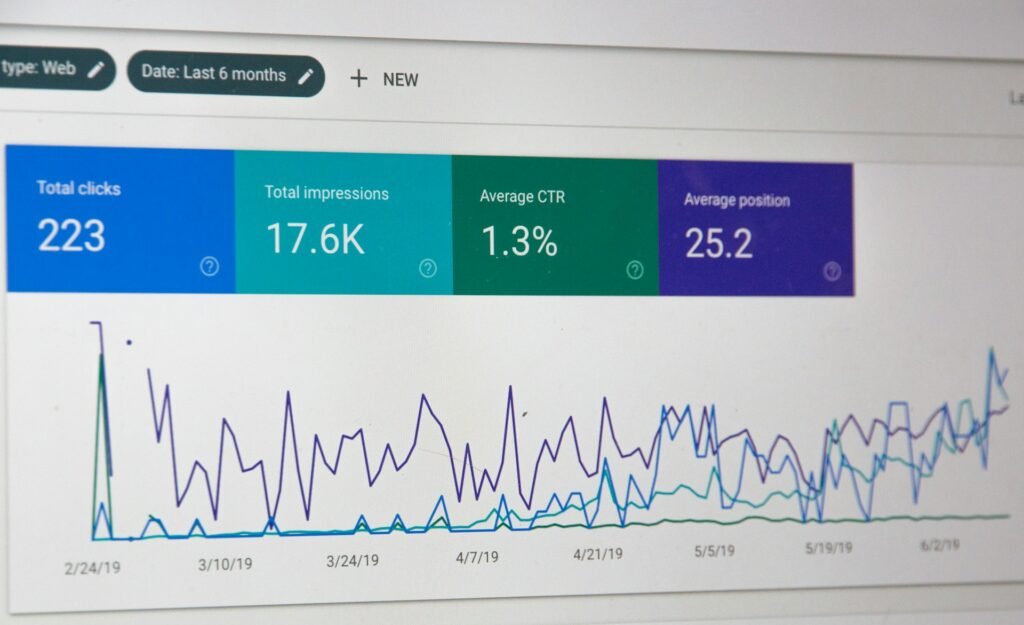
Rankings are useful, but revenue is what matters. We set up Google Analytics 4 ecommerce tracking so you can see organic revenue, conversion rates and average order value by landing page and category. Search Console shows which products and categories are gaining impressions and clicks. Reports focus on the numbers that reflect business growth, and we use them to decide where to focus ecommerce SEO effort next.
Ecommerce SEO for WooCommerce and Shopify
We work with WooCommerce and Shopify stores daily. For WooCommerce, we configure SEO plugins, control archives and attributes, optimise performance and add product schema. For Shopify, we work within the platform’s structure, improve collections and product content, manage apps that affect speed and fix duplicate URL patterns. Because our developers also build stores, ecommerce SEO recommendations are implemented correctly and safely.
Why choose LA DIGITS for ecommerce SEO
Our team in Kottayam builds online stores, runs Shopping campaigns and delivers ecommerce SEO for retailers, manufacturers and exporters across Kerala and abroad. We understand how products, categories and technical details fit together, and we focus on revenue, not vanity metrics. Ask for a free ecommerce SEO review of your store to see where the biggest opportunities lie.
Our ecommerce SEO process
- Store audit. We crawl the store, review Search Console and analytics, and benchmark competitors, including marketplaces.
- Keyword and category research. We identify the product and category searches with real buying intent and map them to pages.
- Technical fixes. Filters, duplicates, sitemaps, speed and structured data are addressed first so the foundations are solid.
- Category optimisation. Key categories receive improved titles, introductions, headings and internal links.
- Product optimisation. Best-selling and high-margin products receive unique descriptions, better images and schema.
- Content and links. Buying guides and digital PR attract research-stage visitors and authority.
- Measure and expand. We track organic revenue and extend what works across more of the catalogue.
Common ecommerce SEO mistakes
- Category pages with no text, so search engines cannot tell what they are about
- Manufacturer descriptions copied across hundreds of products
- Thousands of filter URLs indexed, diluting the main categories
- Deleting out-of-stock products without redirects, losing links and rankings
- Slow mobile pages caused by heavy themes, apps and images
- Missing product schema, so results show no price, availability or ratings
- No tracking of organic revenue, making ecommerce SEO decisions guesswork
Fixing these issues is usually the fastest way to grow organic sales from an existing store.
Selling to customers abroad
Many Kerala stores sell to Malayali communities and international buyers in the Gulf, UK, USA, Canada and Australia. International ecommerce SEO involves deciding whether to target countries with separate sections or a single global store, setting up hreflang where needed, showing appropriate currencies and shipping information, and building visibility in each market. We plan this based on where your demand actually comes from.
How long does ecommerce SEO take?
Technical and on-page improvements to existing categories and products can show results within a few months, especially for stores that already have some authority. Competitive categories and new stores take longer. We prioritise quick wins first, such as fixing indexing problems and optimising categories that already receive impressions, so that ecommerce SEO starts contributing to sales as early as possible.
Reviews and trust in ecommerce SEO
Shoppers rely on reviews before buying from a store they have not used before. Product reviews add fresh, unique content to product pages, answer questions in customers’ own words and, through review schema, can show star ratings in search results. We help stores collect genuine reviews with post-purchase emails or WhatsApp messages, display them clearly, and respond to negative feedback constructively. Trust signals such as clear return policies, secure payment badges, real contact details and a physical address in Kottayam or wherever you operate also improve conversion rates for visitors arriving from search. Ecommerce SEO brings shoppers to your store; trust is what persuades them to complete the purchase.
Ecommerce SEO at LA DIGITS: how the work happens
A look at how our team in Kottayam plans, builds, checks and reports on ecommerce SEO for local businesses across Kerala.




E-commerce SEO in Kottayam: frequently asked questions
30 answers from our team. Still have a question? Talk to us or message us on WhatsApp. Consultation is always free.
Should every product have a unique description?
Yes. Copying manufacturer descriptions creates duplicate content across many stores. Unique, helpful descriptions improve rankings and conversions.
How should out-of-stock products be handled?
Temporarily unavailable products usually stay live with clear messaging. Permanently discontinued products may be redirected to the closest alternative.
Do filter pages cause SEO problems?
They can create thousands of near-duplicate URLs. We control which filters are indexable based on search demand.
Does product schema help?
Product structured data can make listings eligible for rich results showing price, availability and ratings.
Can you do SEO for Shopify stores?
Yes. We work with WooCommerce, Shopify and other platforms.
How can I compete with Amazon and Flipkart?
By focusing on specific niches, better category content, brand searches, unique products and strong local or specialist expertise.
Do you offer e-commerce SEO for stores outside India?
Yes, for stores selling in India, the UK, USA, Canada, Australia, New Zealand and the Gulf, at the same pricing.
What is category page SEO?
Optimizing category pages with helpful copy, internal links, filters and structured data so they rank for broader commercial searches.
How do I optimize product titles?
Include the product type, key attributes such as brand, material or size, and keep titles clear and natural.
What is product schema?
Structured data that describes products, prices, availability and reviews, enabling rich results.
How do product reviews help SEO?
They add fresh, unique content and can enable review stars in search results.
What is faceted navigation?
Filters such as size, colour or price. Uncontrolled filters can create duplicate URLs that need careful handling.
Should I use canonical tags on product variants?
Often yes, pointing variants to a main version, unless variants have distinct search demand.
How do I handle seasonal products?
Keep seasonal category pages live year-round and update them, so they retain authority each season.
Does site speed matter for online stores?
Yes. Faster stores rank and convert better, especially on mobile.
What is Google Merchant Center?
A platform for submitting product data to Google Shopping, free listings and Shopping ads.
Can SEO help my Shopify store?
Yes. We optimize Shopify, WooCommerce and other platforms.
Should I write blog content for my store?
Yes. Buying guides and how-to articles attract shoppers earlier in their journey and support category pages.
How do I compete with marketplaces?
Focus on niche categories, unique products, better content and your brand.
How long does e-commerce SEO take?
Typically three to six months for meaningful growth, longer in competitive categories.
How much does e-commerce SEO cost?
SEO plans start from ₹3,000 per month; large catalogues are quoted based on scope.
How many online stores do you work with?
E-commerce clients are a growing part of our 600+ active clients.
Is consultation free?
Yes.
Can you improve product images for SEO?
Yes: file names, alt text, compression and image sitemaps.
Do you handle store migrations?
Yes, with URL mapping and redirects to protect rankings.
Can e-commerce SEO help AI shopping answers?
Clear product data, reviews and structured information improve how AI tools understand your products.
What reports do you provide?
Organic revenue, product and category rankings, traffic and technical health.
Do you optimize for international shipping markets?
Yes, including country targeting and hreflang where needed.
Can you fix out-of-stock page issues?
Yes, using the right strategy for temporary and permanent stockouts.
How do I start?
Request an e-commerce SEO audit through our quotation form.
Grow organic revenue from your store
Get an e-commerce SEO audit for your categories and products.